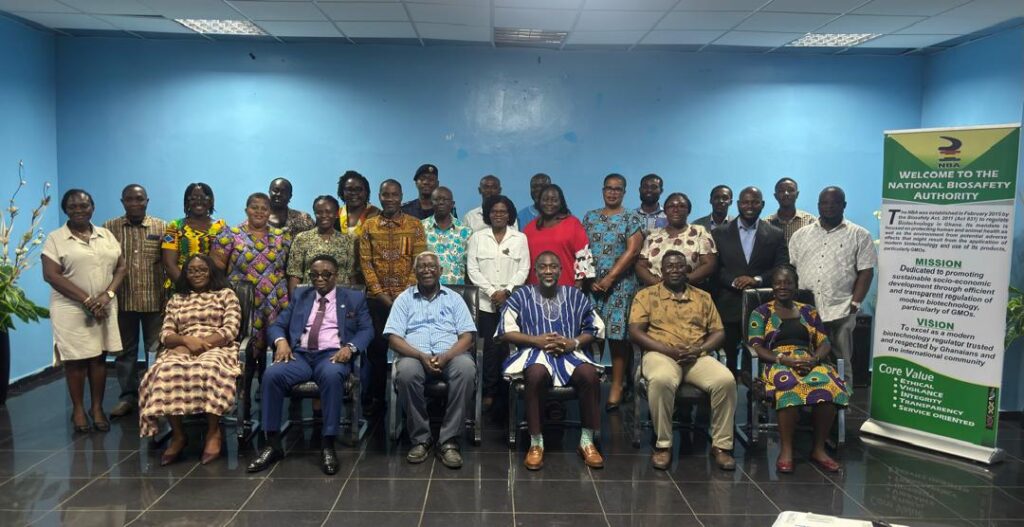
Accra, Jan. 26, 2026 – Stakeholders have validated Ghana’s Fifth National Report on the Implementation of the Cartagena Protocol on Biosafety, as part of preparations for its submission to the Secretariat of the Convention on Biological Diversity.
The Chief Executive of the National Biosafety Authority (NBA), Mr Kwame Dei Asamoah‑Okyere, said the validation process would help refine Ghana’s regulatory priorities and strengthen implementation of the Protocol.
He told the Ghana News Agency in an interview that the report provided a framework for assessing the country’s progress and identifying gaps in biosafety regulation.
Under Article 33 of the Cartagena Protocol on Biosafety, Parties are required to submit periodic reports on measures taken to implement the Protocol.
Although the current reporting cycle is the fifth globally, Mr. Asamoah‑Okyere explained that it represented Ghana’s fourth submission, as the country did not participate in the first reporting cycle.
He noted that the current cycle covered a five‑year period instead of the usual four years due to disruptions caused by the COVID‑19 pandemic.
The fifth national report is to be submitted online through the Biosafety Clearing-House in https://bch.cbd.int/en/register.
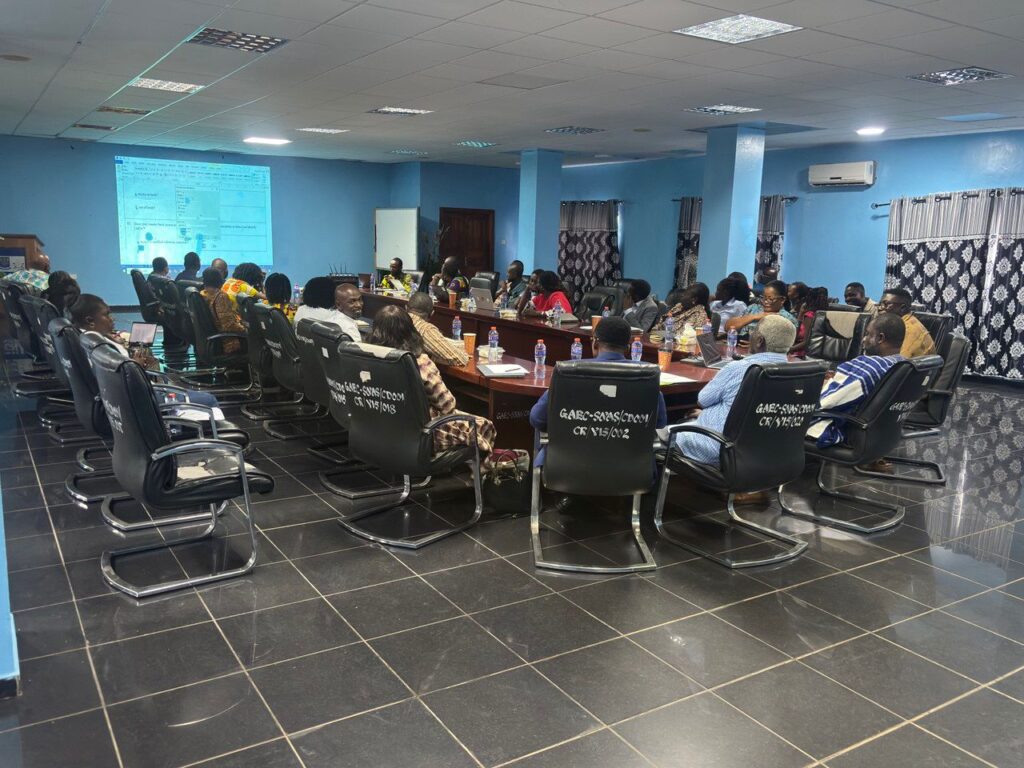
The stakeholder validation meeting brought together representatives from the Food and Drugs Authority, the Customs Division of the Ghana Revenue Authority, research institutions and laboratories, seed associations, non‑governmental organisations and the Office of the Attorney‑General and Ministry of Justice.
Participants reviewed responses to questions covering the various articles of the Protocol and indicators under the Implementation Plan for the Cartagena Protocol.
Key recommendations from the meeting included the need to establish a structured mechanism within the NBA to coordinate biosafety capacity‑building activities.
“So, each time we go through the reporting, it gives us the opportunity to assess our level of implementation of the protocol. By so doing, we get to know the things that we’ve been able to do, those ones we are doing well, those ones we are not doing so well, that we need to improve upon.”
He said several training programmes had been organised over the years, and there was a need for a formal system to assess training needs, coordinate interventions, and track competencies across institutions.
The Chief Executive also highlighted the importance of strengthening surveillance and monitoring systems to detect unapproved GMO products on the market and at entry points.
He said the NBA planned to intensify field surveillance by deploying staff across departments to support inspection and monitoring activities.
Mr. Asamoah‑Okyere said Ghana intended to submit its national report by February 14, 2026, ahead of the official deadline of February 28, after validation and publication by the Biosafety Clearing‑House National Focal Point.
He noted that the outcome of the reporting process would guide Ghana’s priorities for the next review period, expected around 2029.
Professor Alfred Apau Oteng-Yeboah Biodiversity Conservation Expert who chaired the meeting commended participants for their immense contributions, adding that, “you have demonstrated active participation, transparent approach, and accuracy of the information provided.”
Source: GNA