Sumbrungu (U/E), April 13, 2026 – Tertiary students have been encouraged to begin acquiring digital skills before completing their studies to remain competitive in the evolving job market.
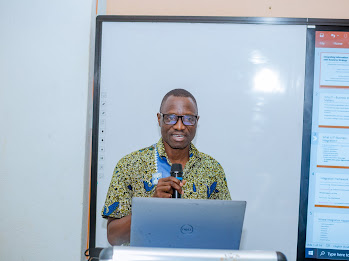
Mr Reuben Asigri, Chief Executive Officer of e-Brain Solutions, gave the advice at an employability seminar organised by the Computer and Information Technology Department of Bolgatanga Technical University (BTU) at its Sumbrungu campus.
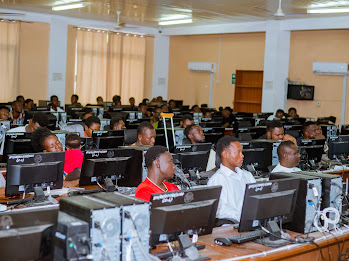
The seminar, which brought together 59 students and six faculty members, formed part of the EU-Ghana Pact for Skills programme, sponsored by the European Union (EU) with technical support from the United Nations Capital Development Fund.
Mr Asigri cautioned students against delaying the acquisition of practical digital skills until after graduation, stressing that theoretical knowledge alone was insufficient in today’s technology-driven world.
“Building on real-world projects is essential,” he said, urging students to develop both technical and soft skills early to enhance their employability.
He noted that Ghana’s Information and Communication Technology (ICT) sector presented vast opportunities in areas such as digital transformation of small and medium enterprises, smart agriculture, health technology, education technology, and financial inclusion.
Mr Asigri further highlighted key competencies required in the industry, including software development, networking, cybersecurity, database management, and cloud computing, alongside soft skills such as communication, teamwork, problem-solving, and adaptability.
“What employers want is someone who can solve problems using digital skills, communicate effectively, learn quickly, and take initiative,” he added.
Dr Paula Aninyie Wumnaya, a Senior Lecturer at the University of Technology and Applied Sciences (UTAS), emphasised the growing global demand for cybersecurity professionals.
He cited projections by the U.S. Bureau of Labor Statistics indicating a 33 per cent increase in cybersecurity jobs between 2023 and 2033, describing the field as one of the most in-demand and lucrative career paths.
“Businesses are moving more of their operations online, making them vulnerable to cyber threats. Cybersecurity is now an essential component of every organisation,” he said.
Ms Millicent Puruseh, Senior Assistant Guidance and Counselling Coordinator at BTU and Lead for Career Services under the project, said the university was strengthening collaboration with industry to enhance students’ career readiness.
She disclosed plans to organise more seminars, job fairs, mentorship programmes, industrial tours and internships to equip students with practical experience.
Mr Alexis Adugdaa Ayamdor, Project Lead for the Integrated Digital Competency and Jobs Accelerator Project (IDAP), said the university had established an Integrated Digital Skills and Employability Hub to train students in emerging areas such as artificial intelligence, Internet of Things, data analytics, and cybersecurity.
He explained that the initiative formed part of efforts to bridge the gap between academic training and industry demands, ensuring graduates are equipped with relevant, market-ready skills.
The seminar also featured ICT experts from UTAS and was preceded by orientation sessions for students on cybersecurity awareness, emerging technology trends, and professional certification pathways.
Source: GNA